News
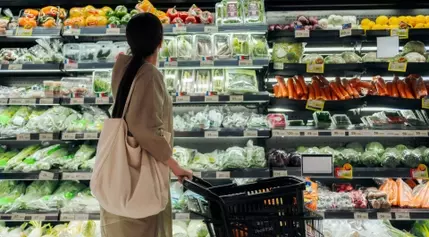
Global food prices have recently surged to an 18-month high, presenting significant challenges and opportunities for the global food market. According to market watchers, some food baskets are expected to continue their upward trajectory, raising concerns about affordability and food security.
Unraveling the Impact of Rising Global Food Prices
Global Food Commodity Prices in October
In October, world food commodity prices reached their highest level since April 2023, as reported by the United Nations’ Food and Agriculture Organization. This surge is driven by various factors, including supply-side challenges and changing market dynamics.The FAO Food Price Index, which monitors the prices of five key food baskets - grains, meat, dairy, vegetable oils, and sugar - rose by 2% in October. The largest price spike was seen in the vegetable oils category, which jumped 24% due to higher prices for palm, soy, sunflower, and rapeseed oils. The dairy category also saw a significant increase of 17%, led by cheese and butter prices. Meanwhile, the cereals category dipped 4.5%, and sugar declined almost 5% year on year.Key Food Items Expected to See Further Climbs
Palm oil and other vegetable oils are expected to rise significantly next year. The most recent El Nino weather phenomenon affected palm fruit cultivation in Indonesia, the largest palm oil producer and supplier. Domestic production in the first eight months of 2024 saw a nearly 5% drop compared to the same period last year. Additionally, Indonesia's push to use more palm oil for biodiesel production is further tightening supply. As a result, other vegetable oils like rapeseed oil are also likely to become more expensive due to similar supply challenges.Beef prices have surged due to the drought in the U.S. southern plains, which has "severely reduced" the cattle herd. Beef cattle operations dependent on rainfall for feed are vulnerable to drought. During dry periods, when forage production and availability decline, producers need to purchase additional feed or reduce the size of their herds, leading to higher costs. The U.S., as the largest producer and one of the top exporters of beef, is feeling the impact. Feeder cattle futures traded on the Chicago Mercantile Exchange rose 16% to .59 per pound year-to-date. Rabobank and the U.K.’s Agriculture and Horticulture Development Board both expect that the overall decline in global beef production will keep prices elevated in 2025.The sugar, coffee, and cocoa markets face greater price uncertainty. While coffee and cocoa prices are not reflected in the FAO index, they face the "most risk." Unfavorable weather in key coffee producer Brazil has driven bullish sentiment in the market. Coffee futures traded on ICE have jumped almost 70% year-to-date to .18 per pound. For cocoa, concerns about heavy rain and low bean quality in the largest producer Cote D’Ivoire have placed upward pressure on cocoa prices. Challenging weather conditions and diseases have affected production in West Africa, which accounts for roughly 70% of global cocoa supply. Though prices have tapered slightly from the record highs, cocoa futures still remain above typical levels, trading at ,425 per metric ton in the U.S. Intercontinental Exchange. The risk for upside momentum to re-emerge in the next 2-3 months is high, with Citi analysts expecting cocoa prices to rise to ,000 per ton within the next three months.A category that would be "greatly impacted" by U.S. President-elect Trump's policies is fruit and vegetables. If other policy changes affect the agricultural labor supply in the United States, the situation will be further complicated. Trump recently announced that he will impose an additional 10% tariff on goods from China and a 25% duty for Canada and Mexico. In 2022, Mexico accounted for 69% of U.S. vegetable imports and 51% of U.S. fresh fruit imports. Mexico is a key supplier of various produce to the United States, including avocados, tomatoes, raspberries, bell peppers, and strawberries. The food items that would see the biggest price increases are those that are not produced domestically. When Trump takes office in January, there may be a "renewed trade war" with China, which could disrupt agricultural trade and lead to volatile soybean, poultry, and meat prices.These rising food prices have implications for consumers, producers, and the global economy. It is crucial to monitor these trends and understand the underlying factors to make informed decisions and address the challenges posed by the volatile food market.